

By April K. Luby, PTA | Restorative Therapies
For more than two decades, Restorative Therapies has been guided by a simple conviction: people living with a neurological impairment deserve more than the few weeks of formal rehabilitation that often define their recovery. They deserve clinical-level therapy that meets them where they live, for as long as they need it. That conviction is what built the RT300 and Xcite2 systems, and it drives every partnership we invest in.
This past year, one of those partnerships has been with the North American Spinal Cord Injury Consortium (NASCIC). We want to recognize what we have built together and invite you to watch the conversations we had over the past year.
Why We Partner
The spinal cord injury community has never lacked passion. What it has too often lacked is a unified table where lived experience, research, clinical practice, and industry can meet on equal footing. That is the table NASCIC sets. By convening organizations, researchers, clinicians, and people with SCI from across North America, NASCIC turns isolated effort into collective progress on research, care, and policy.
For Restorative Therapies, partnering with NASCIC is part of honoring the founding spirit of this company. Restroative Therapies, Inc. was established in 2004 through a partnership among researchers, engineers, and patient advocates, with our co-founder, Dr. John W. McDonald, and the late Christopher Reeve at the heart of it. That model, lived experience driving the science, science driving access, is the same model that makes NASCIC effective today.
When we choose to put resources behind a partner, we ask one question: will this expand access to evidence-based information and technology for people who need it? With NASCIC, the answer is yes.
Why Education Is Our Job, Not Just Our Marketing
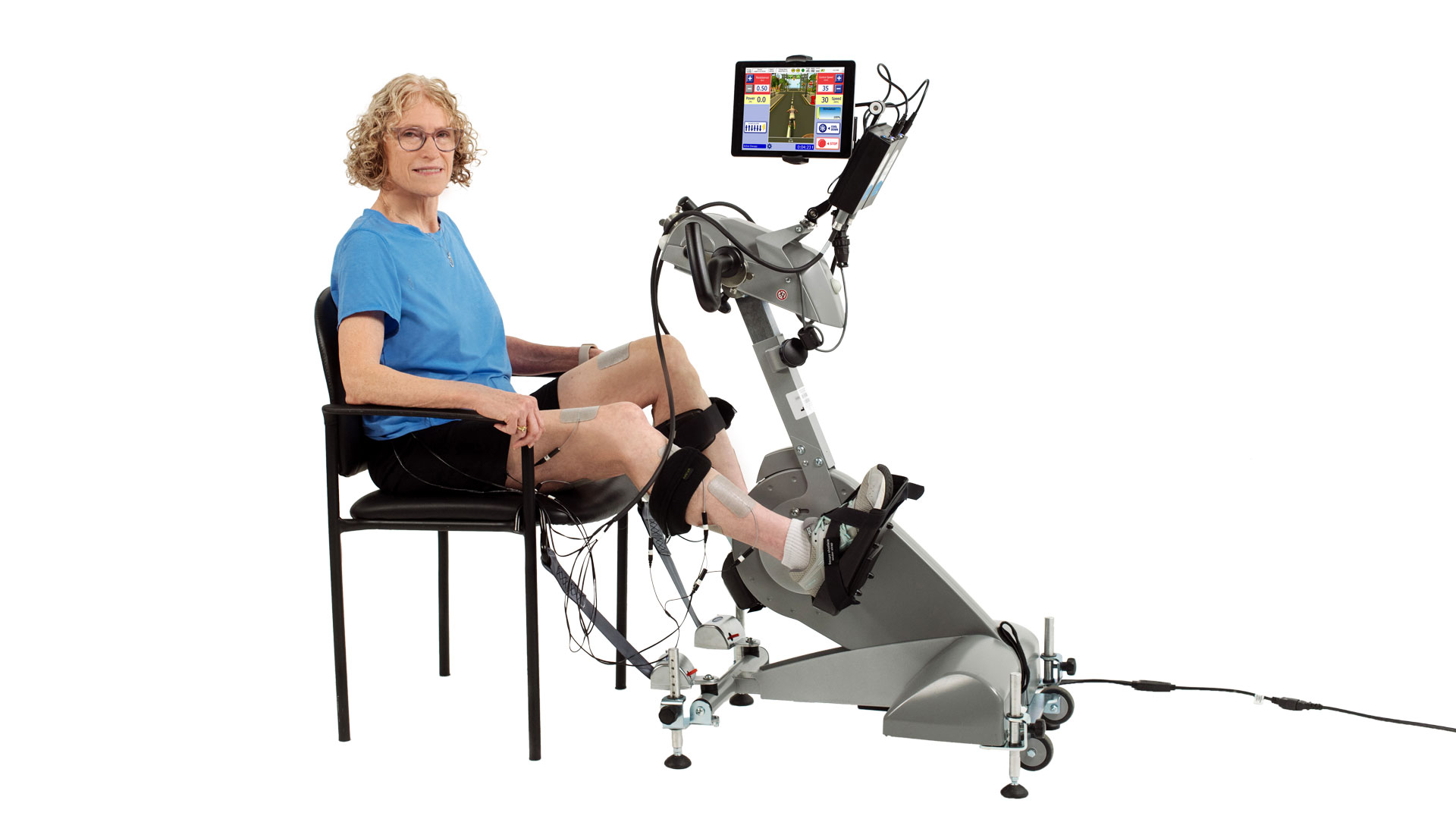
Integrated Functional Electrical Stimulation (FES) is not the same thing as a TENS unit or a single-channel stim pad. Integrated FES uses patterned, multi-channel stimulation to coordinate muscle groups in physiologic sequences, driving thousands of repetitions of activity that the nervous system can act on. That distinction matters clinically, and we have spent twenty years proving it through more than 20 peer-reviewed studies on our products and over 1.75 million RT300 sessions completed worldwide.
Even today, many clinicians, patients, and families do not know what integrated FES actually is, what it can support, or how to access it. Closing that gap, between what the evidence shows and what people in the SCI community can actually use, is the reason our education work exists.
As the global leader in integrated FES, with systems in more than 1,000 clinics and 5,000 homes worldwide and over 100,000 patients served, we believe leadership comes with an obligation. Leading is not just about building the best technology. It is about teaching the field (clinicians, patients, veterans, families, payers) what the technology does, what the evidence supports, and where to go next. That is why we lean into partnerships like NASCIC’s: their reach and credibility make our education better and more accessible.
Watch the Conversation: Integrated FES in SCI, From Research to Real Recovery
This past year’s partnership culminated in a sponsored NASCIC podcast that we are genuinely proud of. Hosted by John McAleavey, a 33-year SCI survivor and the voice behind The QuadCast Podcast, the conversation brings together two of our senior clinical educators with an incredible patient and Veteran who lives with the technology every day.
You will hear from:
- Laurie Magerfleisch, PT, DPT: Senior Clinical Educator at Restorative Therapies, supporting clinicians and home users internationally and presenting alongside leading neurorehabilitation researchers.
- Colleen Connaughton, PT, DPT: Clinical Educator at Restorative Therapies, with more than two decades specializing in FES and activity-based therapy.
- Dr. Ian James Brown, M.D.: A U.S. Air Force veteran, physician, and RT300 champion who shares the part of recovery that does not show up in clinical trials and what consistent home FES use has changed in his recovery.
The conversation walks through how patterned stimulation interacts with spasticity, why repetitive contraction matters for muscle health and circulation, what changes when a patient transitions from clinic to home, and what veterans in particular have found valuable about long-term FES use. It is a working clinician and real-life conversation, not a lecture.
If you are a clinician building a long-term care plan, a person with SCI thinking about what comes after discharge, a family member weighing options, or a veteran exploring the VA home placement program, this episode was made for you.
Frequently Asked Questions
What is integrated Functional Electrical Stimulation, or iFES?
Integrated Functional Electrical Stimulation, or iFES, uses coordinated, patterned electrical stimulation to activate muscles affected by weakness or paralysis during therapeutic movement. In this post, iFES is discussed in the context of long-term spinal cord injury education, clinical rehabilitation, and home-based access to systems such as RT300 and Xcite2.
How is integrated FES different from a TENS unit?
A TENS unit is typically used for sensory-level stimulation, often for pain-related applications. Integrated FES is different because it is designed to stimulate muscle groups in coordinated patterns during therapeutic activity. Integrated FES is not the same as a TENS unit or a single-channel stimulation pad.
Why did Restorative Therapies partner with NASCIC?
Restorative Therapies partnered with the North American Spinal Cord Injury Consortium because NASCIC brings together people with lived experience, researchers, clinicians, organizations, and industry partners to advance spinal cord injury research, care, education, and policy. The partnership supports RTI's goal of expanding access to evidence-based information and technology for the SCI community.
What topics are covered in the NASCIC podcast episode?
The episode discusses integrated FES in spinal cord injury, including patterned stimulation, spasticity, repetitive muscle contraction, muscle health, circulation, clinic-to-home transitions, and veteran experiences with long-term FES use. The conversation features John McAleavey, Laurie Magerfleisch, PT, DPT, Colleen Connaughton, PT, DPT, and Dr. Ian James Brown, M.D.
Who should watch the NASCIC podcast episode?
The episode is relevant for clinicians developing long-term rehabilitation plans, people living with spinal cord injury after discharge, family members exploring therapy options, and veterans interested in home-based access through VA-related pathways.
What are the FDA-cleared benefits of the RT300?
The RT300 is cleared by the FDA to help prevent muscle atrophy, relax muscle spasms, improve local blood circulation, maintain or increase range of motion, and facilitate muscle re-education.
What are the FDA-cleared indications for Xcite2?
Xcite2 is indicated for general rehabilitation, including muscle re-education, relaxation of muscle spasms, prevention or retardation of disuse atrophy, increasing or maintaining local blood circulation, and maintaining or increasing range of motion.
Can integrated FES be used at home?
Yes. Restorative Therapies offers RT300 and Xcite2 systems for clinical and home use, depending on prescription, training, and availability by location. The RT300 home program provides access to clinical-level therapy in the home, while Xcite2@Home allows home users to work from clinician-selected activities after initial training.
What role does repetition play in integrated FES therapy?
Integrated FES can support thousands of coordinated, patterned repetitions. RT300 enables thousands of coordinated muscle contractions, and Xcite2 supports quality, task-specific repetitions of functional activities.
How can someone learn whether RT300 or Xcite2 may fit their clinic, home program, or recovery plan?
Connect with a Restorative Therapies advocate at 800-609-9166 or visit restorative-therapies.com to learn how RT300 and Xcite2 may fit your clinic, home, or recovery plan.
Where to Go From Here
- Watch the podcast above and share it with someone in your circle who is asking what comes next.
- Visit our NASCIC partnership page to learn more about the work we do together.
- Connect with a Restorative Therapies advocate at 800-609-9166 or restorative-therapies.com to learn how the RT300 and Xcite2 fit your clinic, your home, or your recovery plan.
Recovery does not end at discharge. Our work, with partners like NASCIC, does not end with a single podcast. We are grateful for this year and already planning ahead.
Want to learn more about how the RT300 and Xcite2 therapy systems can improve patient outcomes?
Visit restorative-therapies.com to explore how Restorative Therapies supports clinicians and patients in the neurorecovery journey.